November 27, 2025

Ключевые слова:Среднечастотная плавильная печь для литья, литейная плавильная печь, индукционная печь для железа, огнеупорная подкладка печи, цена среднечастотных печей
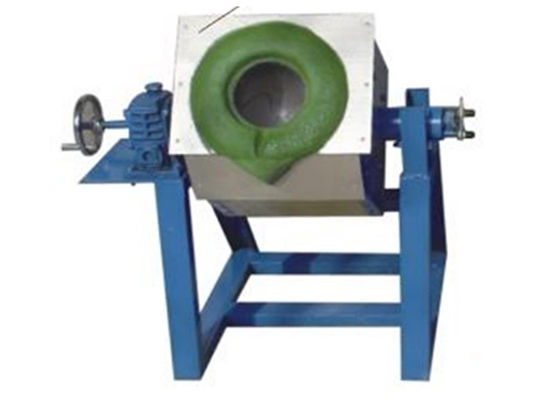
В любом литейном заводе плавление является основным процессом, который определяет качество литья и затраты на производство.высокая эффективность, низкое потребление энергии и исключительное качество расплавленного металлаОднако выбор подходящей печи для ваших литейных приложений и обеспечение ее долгосрочной стабильной работы требует экспертных знаний..
Это руководство, специально разработанное длялитейная промышленность, обеспечивает высший ресурс от выбора оборудования и методов облицовки до контроля затрат и обслуживания.
По сравнению с традиционными куполами и печами сетевой частоты, печи МФ предлагают огромные преимущества для литья:
Высокое качество расплавленного металла:Интенсивное электромагнитное перемешивание обеспечивает непревзойденную однородность в составе и температуре, значительно уменьшая дефекты литья, такие каксегрегация, порность сокращения и включение шлаков.
Низкая сжигаемость элементов:Сплавление в герметичной среде (через крышку печи) минимизирует окисление элементов, таких как марганцевый и кремний.что приводит к более высокой доходности сплава и лучшему контролю затрат.
Гибкость работы:В отличие от куполов, нет необходимости в "банковке". Вы можете начать и остановить плавление по желанию, что делает его идеальным дляс высокой смесью, с низким объемомгибкое производство.
Экологически чистые:В сочетании с системами сбора пыли, он легко отвечает строгим экологическим нормам.
Точный контроль температуры:Для высококлассных литейных изделий, таких какжелезо и сплавная стальДля тех, кто нуждается в строгих температурах литья, печь MF является бесспорным лучшим выбором.
Выбор правильной модели - это половина битвы.
Определить мощность и мощность (основное решение)
Мощность:Исходя из вашихМаксимальное требование одноразового наливаицикл производстваМощность МФ-печей для литейных заводов составляет от 0,5 до 20 тонн.
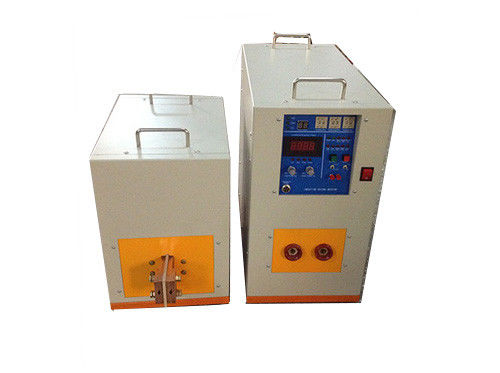
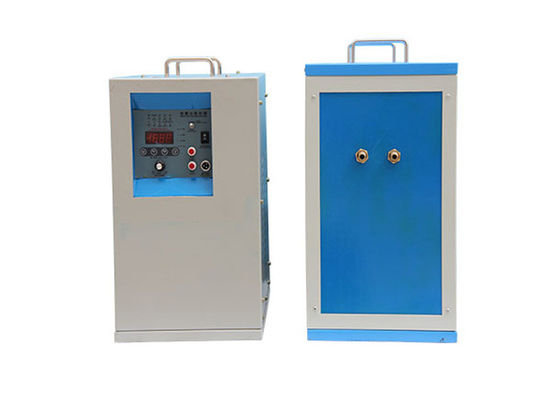
Мощность:Сила определяет скорость плавления.Необходимая мощность (кВт) ≈ мощность печи (тонны) × 600Например, 1-тонная печь в сочетании с 600 кВт источником питания расплавит заряд железа примерно за 50-60 минут.
"Одна мощность, две печи".Для загруженных литейных заводов настоятельно рекомендуется конфигурация "одна мощность-две печи" (один источник питания, питающий два тела печи).или хозяйство, увеличивая общую производительность более чем на 30%.
Выберите конфигурацию на основе материала
Отливные железо/сталь:Наиболее распространенное применение - обеспечить прочность стальной конструкции печи и системы охлаждения.
Нежелтые металлы (мед, алюминий и др.):Обычно требуют более высокой частоты и специфических огнеупорных облицовок.
Специальные сплавы:Может потребоваться дополнительные варианты, такие каквакуумное плавлениеилизащита от инертных газовсистемы.
Проанализируйте систему облицовки (крейзибль) ∙ Она диктует стоимость и безопасность
Линейка - это расходный материал; ее срок службы и стоимость напрямую влияют на вашу долгосрочную прибыльность.
Материал:Литейные облицовки в основномкислый (кварцит/кремнезол)илиосновной (магнезий)Кислотные облицовки используются для серого и пластичного железа; базовые облицовки для марганцевой стали и других применений.
Процесс ремминга:Узнайте, использует ли производительсухое обрамлениеМонолитные облицовки с сухим облицовочным покрытием стали популярными из-за их более длительной службы и превосходной безопасности.
Оценить уровень системы охлаждения и автоматизации
Система охлаждения:А.система охлаждения водой с закрытым контуромявляется обязательным для предотвращения масштабирования и обеспечения стабильной работы в условиях высокой температуры и высокой нагрузки в литейной фабрике.
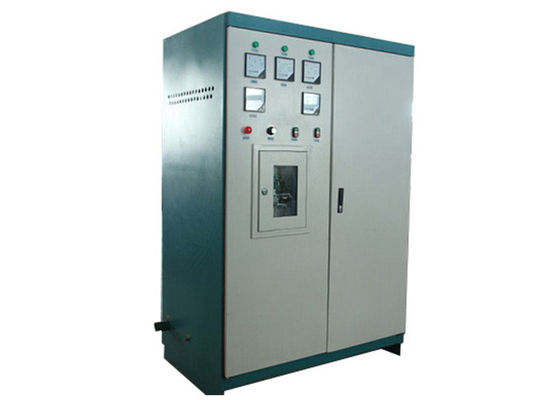
Автоматизация:Современные МФ-печи должны иметьУправление ПЛК и сенсорным экраномдля одноприкосновения плавки, автоматической диагностики неисправностей, регулирования мощности и записи данных, уменьшая зависимость от высококвалифицированных операторов.
"Сколько стоит МФ-печь литейного класса?"от десятков тысяч до миллионов долларов, под влиянием:
| Компонент затрат | Описание и влияющие факторы |
|---|---|
| Цена основного оборудования | В первую очередь определяетсямощность и мощность(например, 1 т/600 кВт против 5 т/3000 кВт). |
| Конфигурация базовой технологии | IGBT бренд (Infineon / Siemens и т. д.), бренд конденсатора, чистота медных труб. Импортируемые компоненты дороже, но предлагают большую надежность. |
| Стоимость огнеупорной облицовки | Высококачественные облицовки могут иметь более высокую первоначальную стоимость, но более низкую стоимость на тепло в долгосрочной перспективе. |
| Установка и инфраструктура | Включает модернизацию трансформаторов, кабелей, систем циркуляции воды (охлаждающие башни) и т.д. Это значительные скрытые затраты. |
| Операция и электроэнергия | Основная долгосрочная стоимость.электрическая эффективностьЭффективная печь потребляет около500-600 кВт/ч на тонну. |
Профессиональный совет:Запросите подробную информациюСписок конфигурацийиОценка энергопотребленияот поставщиков для всестороннего сравнения.
Продолжительность жизни облицовки напрямую связана с производственными затратами и безопасностью (риск утечки).
Правильное рамирование и сцинтерирование:Строго соблюдайте рекомендации производителя.кривая синтерацииЭто основа для создания высокопрочного синтерного слоя.
Осторожное заряжение:Поместите небольшие кусочки внизу, с большими кусочками и вернитесь в середине/верху."мостовое соединение"чтобы предотвратить локальное перегрев облицовки.
Контроль температуры вывода:Избегайте длительной работы при чрезмерно высоких температурах.
Своевременный ремонт:После каждого нажатия проверяйте облицовку на изнашивание и немедленно заправляйте любые эрозированные участкимасса ремонта.
Избегайте "пустой печи":После плавления всегда оставляйте немного расплавленного металла в печи ("оболочка"), чтобы предотвратить быстрое охлаждение и трещины облицовки.
Вопрос 1: На что следует обратить внимание при плавлении пластикового железа в МФ-печи? А1:Ключи здесь.десульфуризацияиузлообразование. МФ печи производят базовое железо с низким содержанием серы, что полезно для узлообразования. Однако чрезмерно низкий уровень серы может повлиять на морфологию графита, требуя корректировки процесса.Предыдущая температура должна быть точно контролирована в пределах 1480-1520°C..
Вопрос 2: Наша литейная фабрика часто меняет сплавы. Подходит ли МФ-печь? Ответ: Отлично.Чтобы заменить сплавы, достаточно полностью вывести предыдущий огонь и использовать небольшой заряд "мытья" нового материала перед тем, как продолжить.
Q3: Производит ли МФ-печь чугун с лучшими механическими свойствами? А3: Да.Из-за более высокой чистоты металла, меньшего сжигания элементов и большей тенденции к низкому охлаждению, расплавленное железо MF обычно имеетболее тонкий графит и более плотная матричная структура, в результате чего в целом превосходит прочность на растяжение и твердость по сравнению с купольным расплавленным железом.
Вопрос 4: Как предотвратить страшную аварию "вспышки печи"? А4:Помимо надлежащей эксплуатации и своевременного ремонта, вы должны полагаться на технологии.Система раннего предупреждения о утечке облицовкикоторый отслеживает толщину облицовки в режиме реального времени и подает тревогу и отключение питания до прорыва.
Высококачественная среднечастотная плавильная печь является мощным двигателем для улучшения качества литья, снижения общих затрат и достижения более экологичного производства.Умные инвестиции начинаются с глубокого понимания.
Призыв к действию:Если вы оцениваете плавильное оборудование для вашего проекта литейного завода, свяжитесь с нашими техническими экспертами сегодня для получениябесплатное, индивидуальное предложение по выбору и анализ затрат и выгод